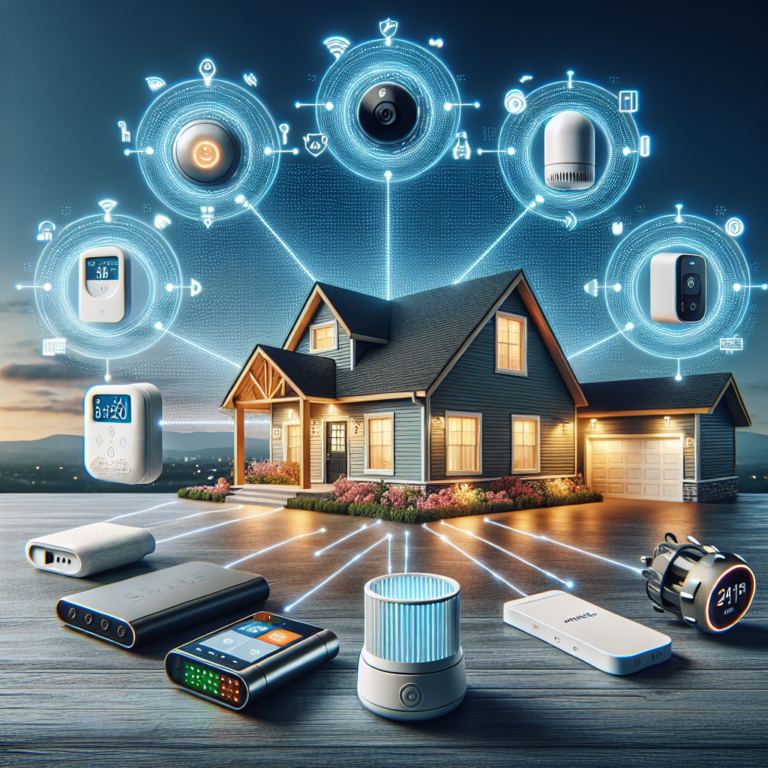
Smart Home Insurance Discounts: Can Connected Devices Lower Your Premium?
Smart Home Insurance Discounts: Can Connected Devices Lower Your Premium? sets the stage for this enthralling narrative, offering readers a glimpse into a story that is rich in detail and brimming with originality. In today’s age of technology, smart devices are not only changing our daily lives but also impacting how insurance companies perceive risk.
Smart home insurance discounts refer to the savings that policyholders can receive by having connected devices in their homes. Insurance companies offer discounts to encourage homeowners to invest in smart technology that can help prevent or mitigate risks, ultimately reducing the likelihood of filing a claim.Insurance companies determine the discount based on the type of smart devices installed in the home, as they can help monitor and detect potential hazards.
For example, a smart security system with cameras and sensors can alert homeowners and authorities of break-ins or fires, reducing the risk of theft or property damage. This proactive approach to home security can lead to lower insurance premiums for policyholders.
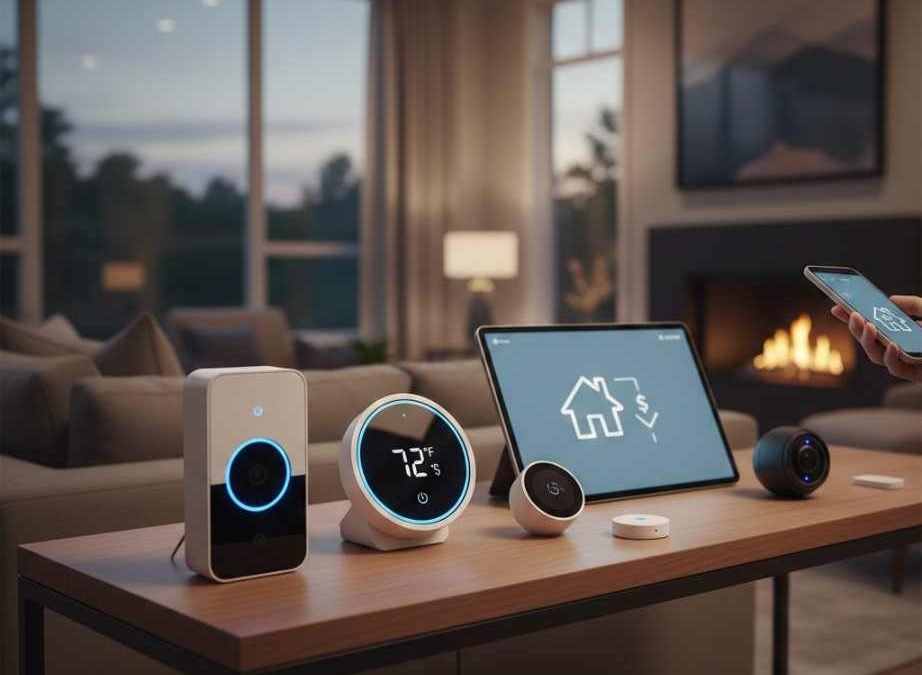
Connected devices offer numerous benefits for home insurance, especially in terms of enhancing home security and reducing the risk of accidents or damage. Insurers also view these smart devices as effective tools for mitigating risks and minimizing potential losses.
Connected devices such as smart cameras, doorbell cameras, and motion sensors provide homeowners with real-time monitoring and alerts for any suspicious activities or intrusions. These devices serve as a deterrent to potential burglars and help homeowners take immediate action in case of a security breach.
Smart devices such as water leak detectors, smoke detectors, and smart thermostats play a crucial role in preventing accidents and minimizing damage in homes. These devices can detect potential hazards early on and alert homeowners to take action before a minor issue escalates into a major disaster.
Water leak detectors can identify leaks and floods in the home, helping to prevent water damage and costly repairs.
Smoke detectors can quickly detect smoke or fire, alerting residents to evacuate and reducing the risk of property damage or loss of life.
Smart thermostats regulate temperature settings efficiently, reducing the risk of overheating appliances or electrical fires.
Insurers recognize the value of connected devices in reducing risks associated with home insurance claims. By promoting the adoption of smart devices, insurers aim to incentivize homeowners to invest in preventive measures that can ultimately lead to fewer claims and lower premiums.
Smart devices in your home can have a significant impact on your insurance premiums. Insurance companies view these devices as a way to lower risks and prevent potential damages, which can result in cost savings for both the insurer and the policyholder.
Smart smoke detectors are designed to detect smoke and fire in your home. These devices can alert you and emergency services quickly, potentially preventing a small fire from turning into a devastating blaze. Insurance companies value smart smoke detectors as they reduce the risk of fire-related damages, leading to lower premiums for homeowners.
Smart security cameras provide homeowners with real-time monitoring of their property, deterring potential burglars and vandals. In the event of a break-in, these cameras can capture evidence that can be used to identify and apprehend the intruders. Insurance companies see smart security cameras as a way to reduce the risk of theft and vandalism, resulting in lower premiums for policyholders.
Smart leak sensors are designed to detect water leaks in your home, helping you identify and address plumbing issues before they escalate into costly water damage. Insurance companies appreciate these devices as they minimize the risk of water-related damages, such as mold growth and structural deterioration, leading to potential savings on insurance premiums.
Smart thermostats allow homeowners to control their home’s temperature remotely, ensuring energy efficiency and preventing potential issues like frozen pipes. By maintaining a consistent temperature and reducing the risk of temperature-related damages, such as burst pipes, insurance companies may offer discounts to policyholders with smart thermostats installed.
Smart door locks provide homeowners with enhanced security features, such as remote locking/unlocking and activity monitoring. These devices can prevent unauthorized access to your home, reducing the risk of break-ins and theft. Insurance companies may view smart door locks as a way to enhance home security, potentially resulting in lower insurance premiums for policyholders.
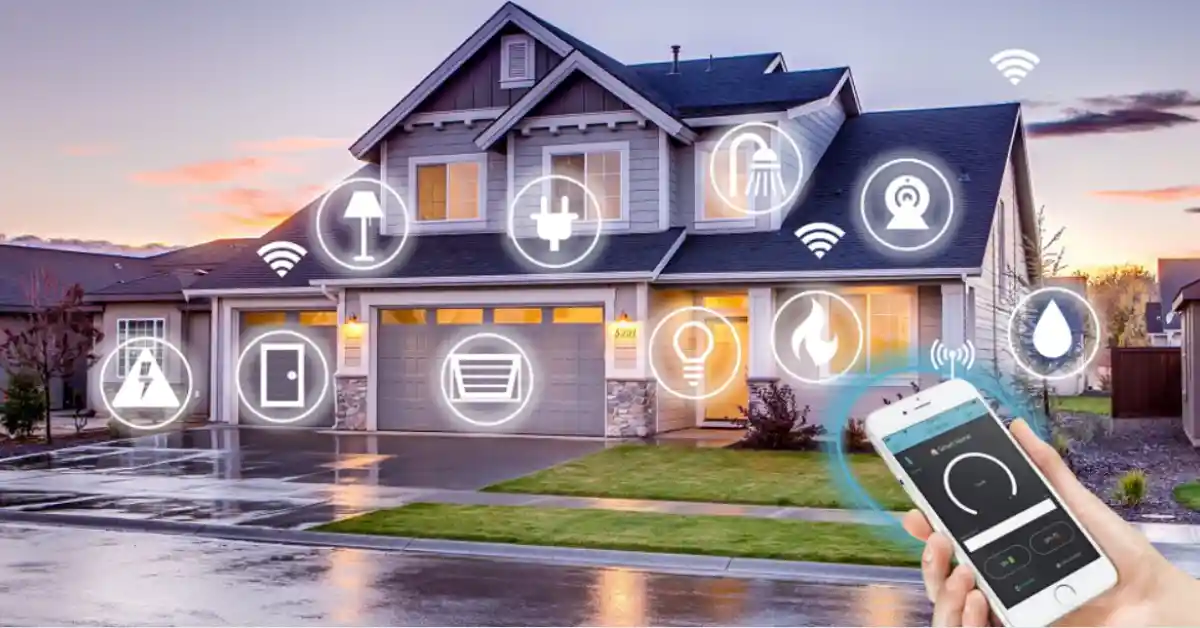
When looking to apply for smart home insurance discounts, there are several factors to consider to ensure you maximize your savings and benefits. Choosing the right connected devices, understanding the impact of automation and integration, and prioritizing regular maintenance are key aspects to keep in mind.
Can installing smart devices really lower my insurance premium?
Yes, insurance companies offer discounts for homes equipped with smart devices that enhance security and reduce risks.
What are some common smart devices that can help reduce insurance premiums?
Examples include smart doorbells, security cameras, water leak detectors, and smart thermostats.
How do insurers view connected devices in terms of risk mitigation?
Insurers see connected devices as tools that can lower the chances of accidents, theft, or damage, thus reducing their risk exposure.
What factors should I consider when choosing smart devices for insurance discounts?
Consider the level of automation, integration with other devices, and how regularly the devices receive maintenance and updates.