
Smart Home Energy Management System: Costs and Electricity Savings
Diving into the realm of Smart Home Energy Management Systems, this introduction sets the stage for exploring the costs and electricity savings associated with these innovative systems. With a blend of information and intrigue, readers are invited to discover the impact of these technologies on energy consumption.
The following paragraph will offer a detailed overview of the topic at hand, shedding light on the intricacies of Smart Home Energy Management Systems.
Smart Home Energy Management Systems are innovative technologies designed to help homeowners monitor, control, and optimize their energy usage within their homes. These systems use smart devices and software to provide real-time data on energy consumption, allowing users to make informed decisions to reduce their electricity bills and environmental impact.
Smart Home Energy Management Systems typically consist of smart meters, sensors, and connected devices that gather data on energy consumption. This data is then analyzed by the system to provide insights and recommendations on how to improve energy efficiency. Users can set preferences, schedules, and automated actions to optimize their energy usage based on the system’s recommendations.
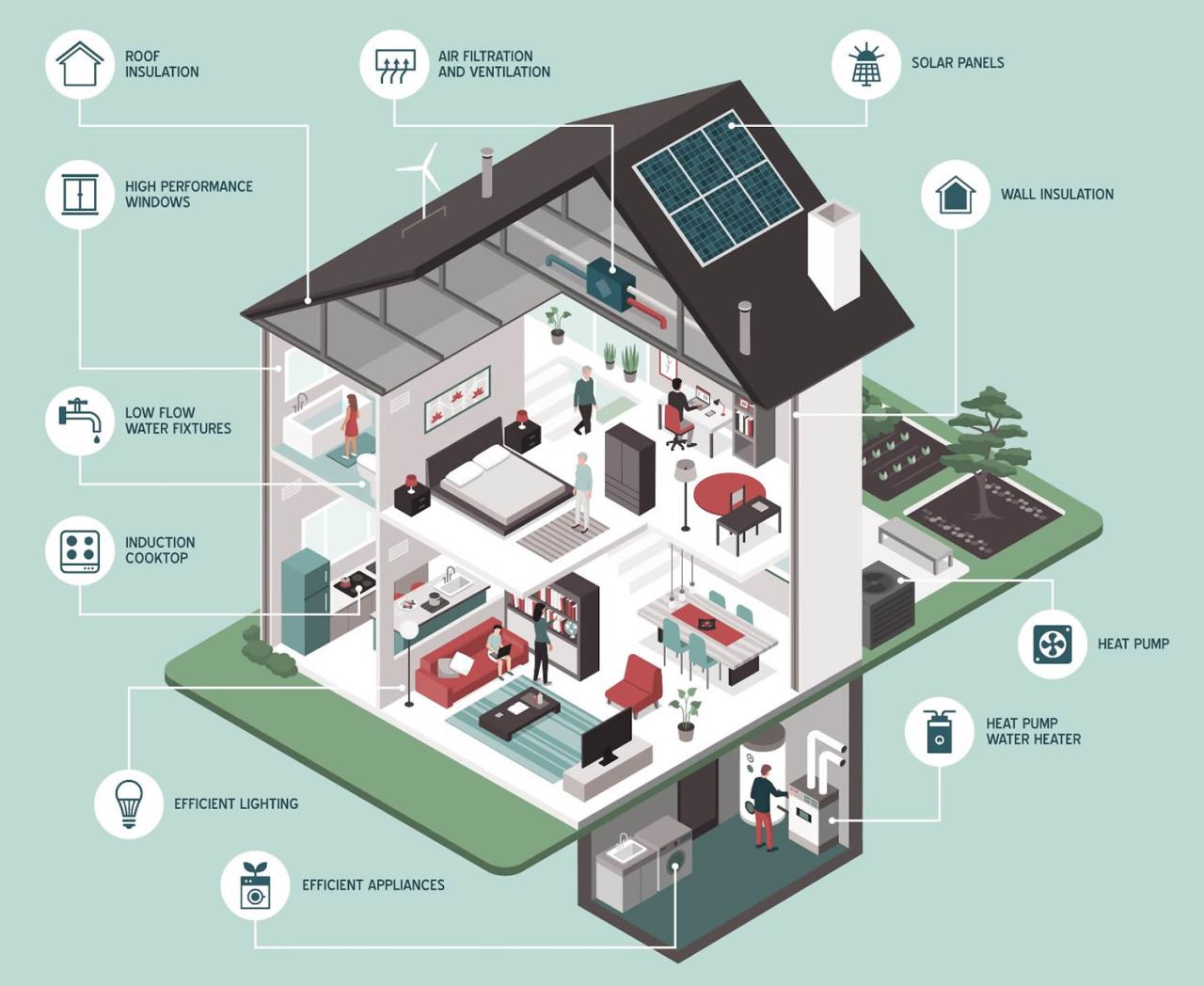
Smart Home Energy Management Systems offer a range of benefits, including cost savings and increased energy efficiency. However, it is important to consider the initial setup costs, ongoing maintenance expenses, and the variations in costs among different types of systems available in the market.
When installing a Smart Home Energy Management System, the initial setup costs typically include the price of the hardware components such as smart thermostats, smart meters, sensors, and other devices. Additionally, there may be costs associated with professional installation services if required.
The initial setup costs can vary depending on the size of the home, the complexity of the system, and the brand of the equipment chosen.
After the initial setup, Smart Home Energy Management Systems may require ongoing maintenance to ensure optimal performance. This can include software updates, battery replacements for sensors, and occasional repairs or replacements of faulty components. While some maintenance tasks can be done by homeowners, there may be instances where professional assistance is needed, adding to the overall maintenance costs.
There are various types of Smart Home Energy Management Systems available in the market, ranging from basic systems to more advanced and feature-rich options. The costs of these systems can vary significantly based on factors such as the number of devices included, the level of automation and customization offered, and the brand reputation.
Basic systems may be more affordable but could have limited functionality, while high-end systems may come with a higher price tag but offer advanced energy-saving features.
Smart Home Energy Management Systems play a crucial role in reducing electricity consumption and ultimately helping users save on their energy bills. By utilizing advanced technology and automation, these systems optimize energy usage within a household, resulting in significant savings over time.
Smart Home Energy Management Systems utilize a variety of technologies to optimize energy usage, reduce costs, and increase efficiency in residential settings. These technologies work together seamlessly to monitor, control, and adjust energy consumption based on real-time data and user preferences.
The Internet of Things (IoT) plays a crucial role in Smart Home Energy Management Systems by enabling devices to connect and communicate with each other through the internet. This connectivity allows for seamless integration and automation of various energy-consuming devices, such as thermostats, lighting systems, and appliances.
By leveraging IoT technology, homeowners can remotely monitor and control their energy usage, set schedules, and receive alerts for potential energy-saving opportunities.
Sensors are key components of Smart Home Energy Management Systems, providing real-time data on energy consumption, environmental conditions, and user behavior. These sensors can detect motion, temperature, light levels, and energy usage, allowing the system to make informed decisions to optimize energy efficiency.
By collecting data from sensors, the system can identify patterns and trends in energy consumption, enabling users to make informed decisions to reduce energy waste and save costs.
Smart meters are essential for monitoring and measuring electricity usage in real-time. These devices enable homeowners to track their energy consumption more accurately and identify areas where energy efficiency can be improved. By providing detailed insights into energy usage patterns, smart meters empower users to make informed decisions about their energy consumption habits and identify opportunities for savings.
Automation is a critical feature of Smart Home Energy Management Systems, allowing for the seamless control and optimization of energy-consuming devices. Through automation, users can set customized schedules, triggers, and rules to regulate energy usage based on specific conditions or preferences.
This automated approach helps streamline energy management processes, reduce human intervention, and maximize energy efficiency in the home.
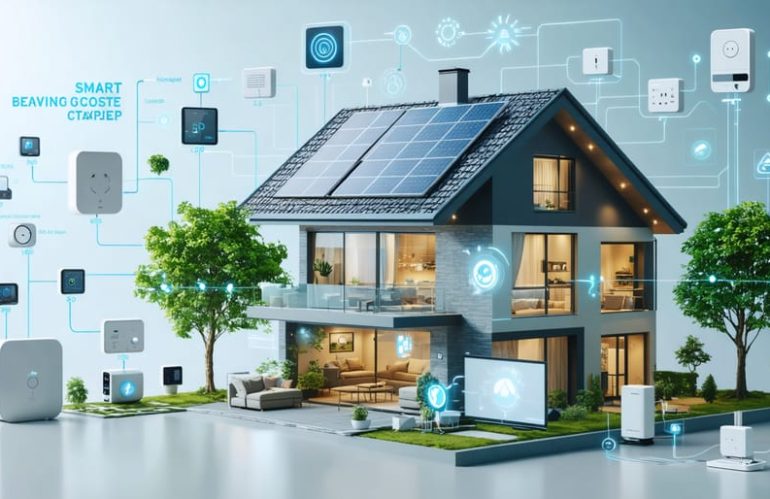
Utilizing a Smart Home Energy Management System effectively can lead to significant energy savings. By following best practices and implementing strategies to optimize energy consumption based on user behavior, homeowners can maximize their savings and reduce their environmental impact. Integrating renewable energy sources into the system can further enhance these benefits.
What are the installation costs associated with Smart Home Energy Management Systems?
The initial setup costs can vary depending on the complexity of the system, ranging from a few hundred to a few thousand dollars.
How do these systems help in reducing electricity consumption?
Smart Home Energy Management Systems optimize energy usage by adjusting settings based on real-time data and user behavior, leading to reduced electricity consumption.
Are ongoing maintenance costs high for these systems?
Ongoing maintenance costs are generally low, mainly consisting of occasional software updates and system checks.
Can renewable energy sources be integrated into these systems?
Yes, renewable energy sources can be seamlessly integrated into Smart Home Energy Management Systems, enhancing overall energy savings.