Whole Home Automation System: Costs, Devices, and Installation Explained
Embark on a journey through the realm of Whole Home Automation System: Costs, Devices, and Installation Explained, where the intricate details of modern home automation unfold in a captivating manner, offering a glimpse into the future of smart living.
Delve deeper into the realm of home automation, exploring the intricate balance between cutting-edge technology and everyday convenience.

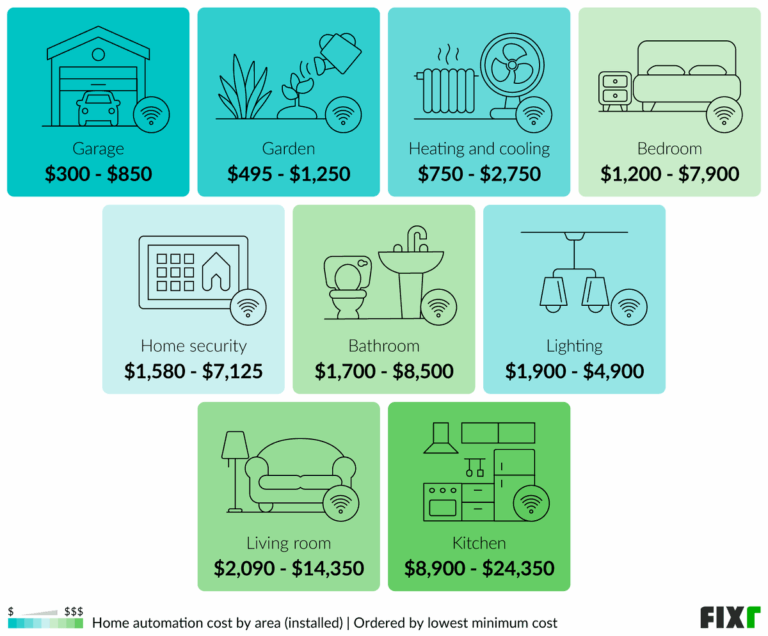
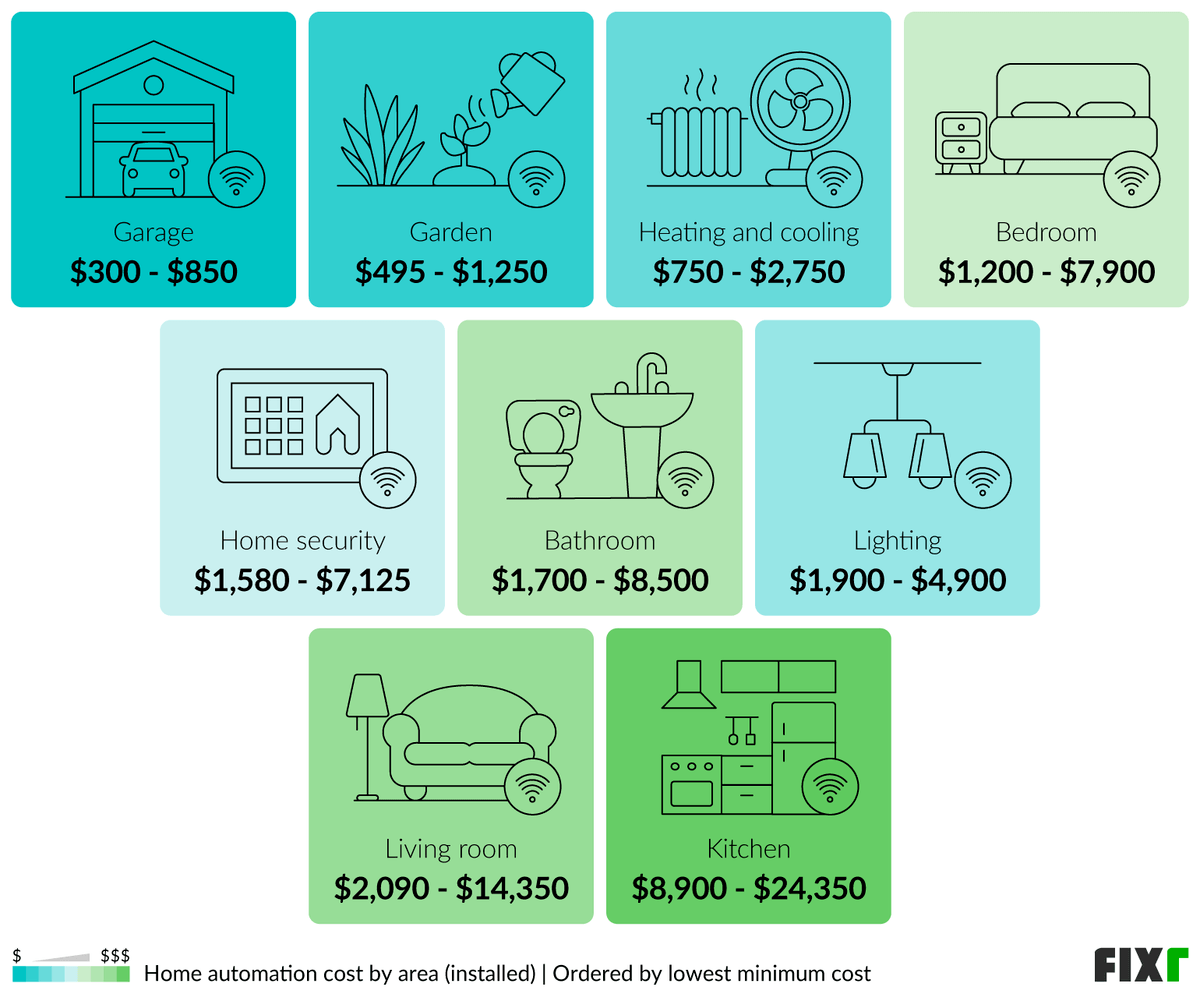
Investing in a whole home automation system can vary in cost depending on several factors. These factors contribute to the overall price and can include the size of your home, the number of devices you want to automate, the complexity of the system, and the quality of the products you choose.
While the initial investment in a whole home automation system may seem significant, the long-term cost benefits can outweigh the upfront costs. By automating your home, you can potentially save on energy bills by managing your appliances more efficiently. Additionally, smart security systems can offer savings on insurance premiums and provide peace of mind.
Overall, the convenience and efficiency gained from a whole home automation system can lead to cost savings over time.
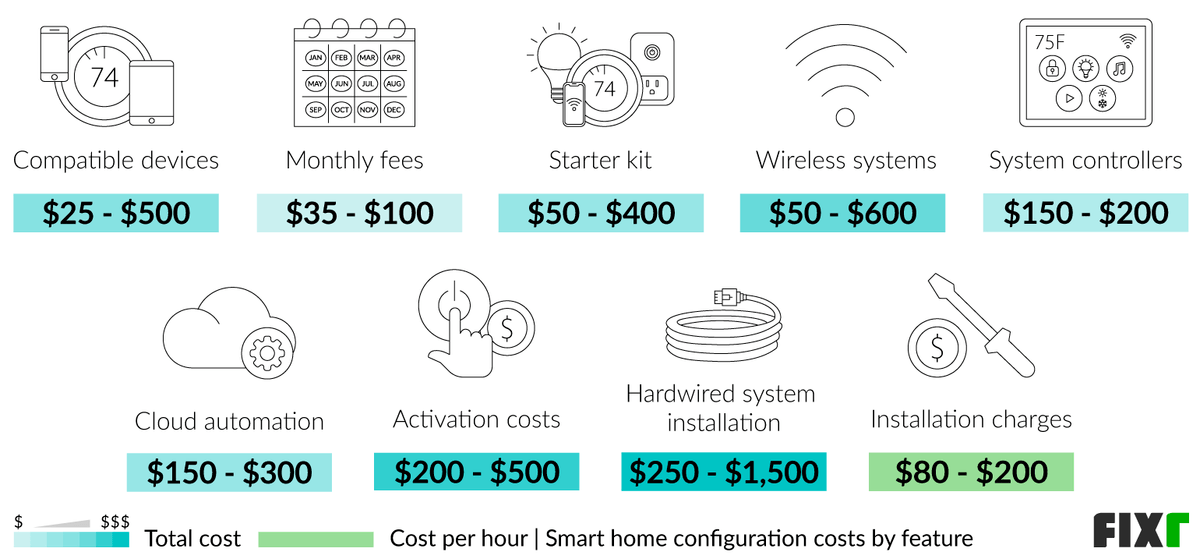
When setting up a whole home automation system, it is crucial to choose the right devices to ensure seamless integration and control of various aspects of your home. From smart thermostats to lighting controls and security cameras, each device plays a key role in creating a truly automated home environment.
Smart thermostats are essential for maintaining optimal temperature control in your home while also saving energy. Brands like Nest, Ecobee, and Honeywell offer smart thermostats that can be controlled remotely via smartphone apps. These devices can learn your heating and cooling preferences over time, adjust settings automatically, and even provide energy usage reports to help you save on utility bills.
Lighting controls allow you to manage and customize the lighting in your home for different occasions and moods. Brands like Philips Hue, Lutron, and TP-Link offer smart lighting solutions that can be controlled through voice commands or mobile apps. You can create schedules, set up scenes, and even change the color of your lights to create the perfect ambiance for any situation.
Security cameras are crucial for monitoring your home and ensuring the safety of your family and belongings. Brands like Arlo, Ring, and Nest offer smart security cameras with features like motion detection, two-way audio, and night vision. These cameras can send alerts to your phone, record footage, and even integrate with other smart devices in your home for a comprehensive security system.
When it comes to installing a whole home automation system, proper planning and execution are key to ensuring a smooth and successful process. Below, we will detail the steps involved in planning the installation, provide a breakdown of the installation timeline, and share tips for a seamless experience.
What factors contribute to the overall cost of a Whole Home Automation System?
The overall cost is influenced by the number of devices, complexity of installation, and brand preferences.
Which are the essential devices needed for a comprehensive automation system?
Key devices include smart thermostats, lighting controls, security cameras, and smart assistants like Alexa or Google Home.
How can one ensure a smooth installation process for a Whole Home Automation System?
Planning ahead, working with experienced professionals, and conducting thorough research can help in achieving a hassle-free installation.