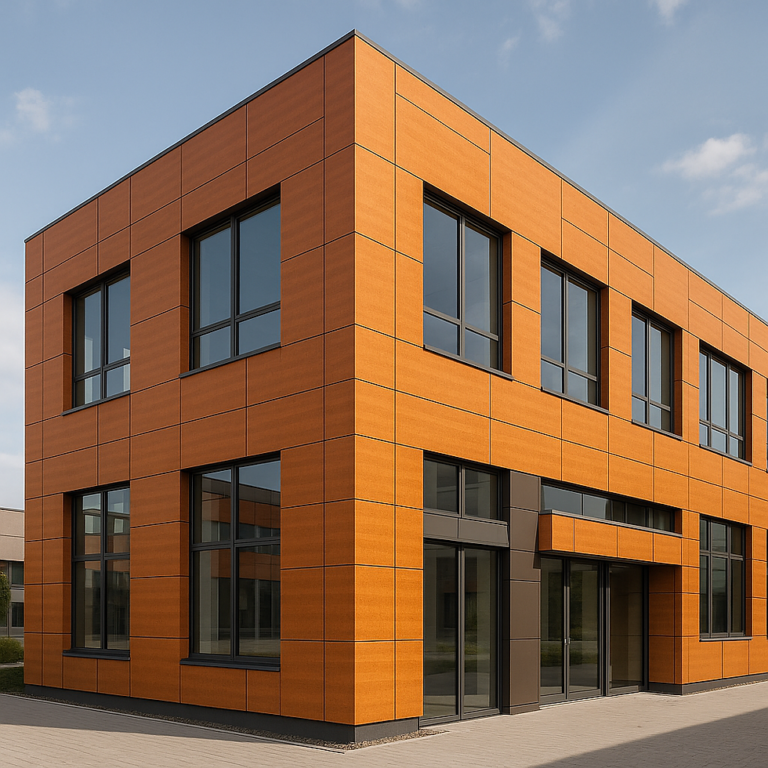
Exterior Wall Insulation (EWI) Retrofit: Energy Savings and Costs Explained
Starting off with a deep dive into Exterior Wall Insulation (EWI) Retrofit: Energy Savings and Costs Explained, this introduction aims to grab the attention of readers with a blend of informative and captivating content.
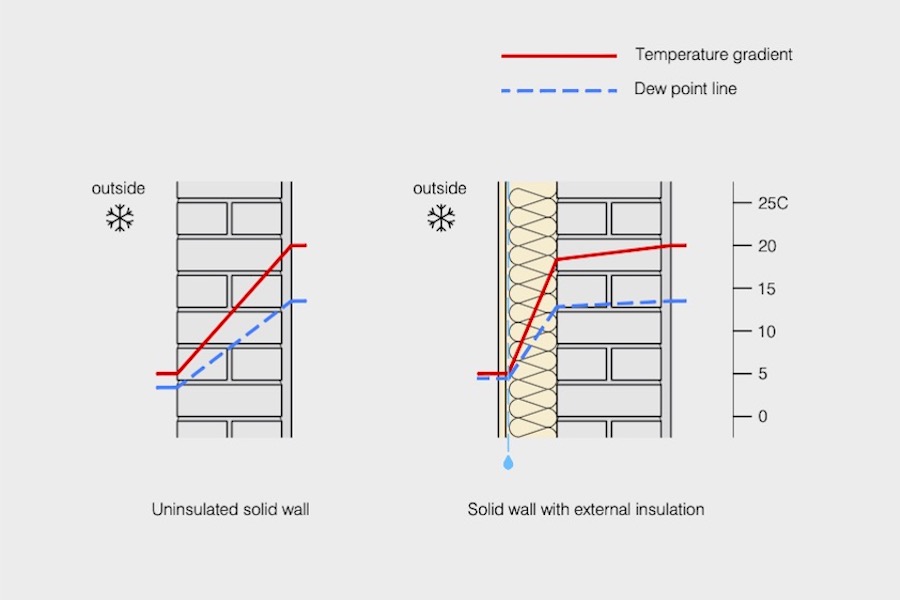
Exterior Wall Insulation (EWI) Retrofit involves adding insulation material to the outside of existing buildings to improve energy efficiency. This process helps reduce heat loss in winter and heat gain in summer, resulting in lower energy consumption and utility bills.
Exterior Wall Insulation is a crucial component in enhancing the overall energy efficiency of a building. By minimizing heat transfer through the walls, EWI Retrofit plays a vital role in reducing energy waste and improving sustainability. Additionally, EWI Retrofit can help buildings meet energy efficiency regulations and certifications, contributing to a greener and more environmentally friendly future.
When it comes to Exterior Wall Insulation (EWI) Retrofit, different types of insulation materials are used to enhance energy efficiency and reduce costs. Let’s explore the various options available:
Fiberglass insulation is a popular choice for EWI Retrofit due to its affordability and ease of installation. It provides good thermal resistance and can help reduce energy consumption by maintaining indoor temperatures effectively. However, fiberglass insulation may not be as efficient in extremely cold climates.
Spray foam insulation offers superior energy-saving capabilities as it provides a tight air seal, minimizing heat transfer and reducing energy waste. While spray foam insulation is more expensive upfront, it can lead to significant long-term savings on energy bills due to its high efficiency.
Mineral wool insulation is known for its fire resistance and soundproofing properties, making it a versatile choice for EWI Retrofit. It offers good thermal insulation and can help reduce energy costs by maintaining consistent indoor temperatures. However, mineral wool insulation may be heavier and more challenging to install compared to other materials.
Polystyrene insulation, whether in the form of expanded (EPS) or extruded (XPS) polystyrene, is lightweight and moisture-resistant, making it a durable option for EWI Retrofit. It provides excellent thermal insulation and can contribute to significant energy savings by preventing heat loss through exterior walls.
However, polystyrene insulation may be more expensive than other materials.
Exterior Wall Insulation (EWI) Retrofit plays a crucial role in reducing energy consumption in buildings by improving thermal performance and reducing heat loss. This leads to significant energy savings and lower heating and cooling costs for building owners.
Exterior Wall Insulation (EWI) Retrofit offers long-term benefits by lowering energy bills and improving the overall energy efficiency of a building. By reducing heat loss and increasing thermal comfort, EWI helps in maintaining stable indoor temperatures, resulting in lower heating and cooling costs throughout the year.
The initial investment in EWI retrofitting can lead to significant savings in energy expenses over the building’s lifespan, making it a cost-effective and sustainable solution for energy conservation.
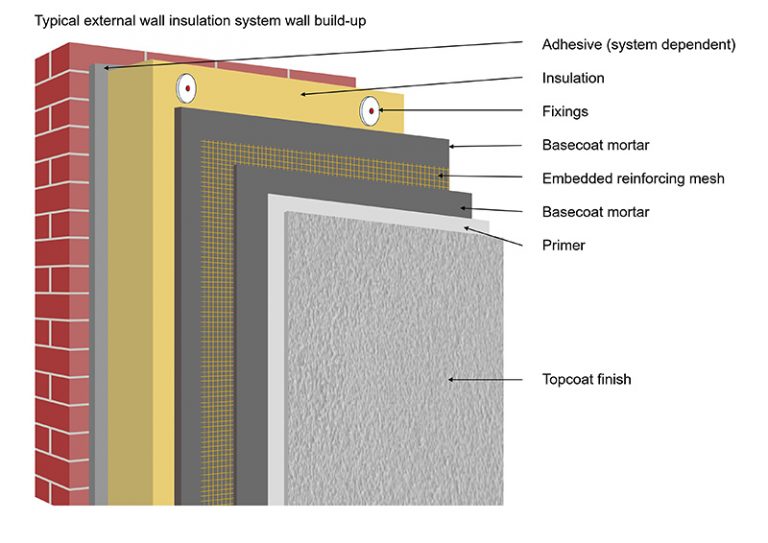
When considering an Exterior Wall Insulation (EWI) Retrofit project, it is important to understand the various costs involved. These costs can vary depending on several factors, including the size of the building, the type of insulation materials used, and the complexity of the installation process.
The initial costs of an EWI Retrofit project typically include the cost of materials, labor, equipment, and any necessary permits. The cost of materials can vary based on the type of insulation chosen, such as rigid foam boards, mineral wool, or sprayed foam.
Labor costs will depend on the size of the project and the expertise required for installation.
Several factors can influence the overall costs of EWI Retrofit projects. These factors include the size and layout of the building, the condition of the existing walls, accessibility to the walls, and any additional work required, such as repairing damaged walls or installing new cladding.
The location of the building can also impact costs, as labor and material prices may vary by region.
There are cost-effective strategies that can help reduce the overall costs of an EWI Retrofit project. One such strategy is to properly insulate and air seal the building envelope to maximize energy efficiency and reduce the need for excessive insulation.
Another strategy is to research and compare different insulation materials to find the most cost-effective option that still meets energy efficiency requirements.
Case studies provide valuable insights into the success of Exterior Wall Insulation (EWI) Retrofit projects. By examining before-and-after scenarios of buildings that underwent EWI Retrofit, we can understand the energy savings and cost benefits achieved.
Exterior Wall Insulation (EWI) Retrofit plays a crucial role in reducing the carbon footprint of buildings and contributing to environmental sustainability. By improving the energy efficiency of structures, EWI Retrofit helps lower greenhouse gas emissions and overall energy consumption.
One of the key benefits of EWI Retrofit is its ability to significantly reduce the carbon footprint of buildings. By enhancing insulation and reducing heat loss, buildings require less energy for heating and cooling, resulting in lower carbon emissions from energy generation.
This contributes to mitigating climate change and promoting a more sustainable built environment.
What is the typical payback period for an EWI Retrofit project?
The payback period for EWI Retrofit projects can vary depending on factors like building size, insulation material used, and energy costs, but it typically ranges from 2 to 10 years.
Are there any government incentives available for EWI Retrofit projects?
Yes, some governments offer incentives such as tax credits, rebates, or grants to encourage energy-efficient upgrades like EWI Retrofit. It’s worth exploring these options to offset some of the costs.
Can EWI Retrofit help in reducing noise pollution from outside?
While EWI Retrofit primarily focuses on energy efficiency, certain insulation materials and techniques can also contribute to reducing external noise infiltration, providing some acoustic benefits.