Using Home Equity (HELOC / Refinance) to Pay for Exterior Renovations
As the focus shifts to Using Home Equity (HELOC / Refinance) to Pay for Exterior Renovations, readers are invited into a realm of expertise, ensuring an enriching and unique read.
The following paragraphs will delve into the specifics of this topic, providing a comprehensive and informative discussion.
Using home equity, whether through a HELOC or refinancing, can offer several advantages when it comes to funding exterior home improvements. By leveraging the equity in your property, you can potentially increase its overall value while enhancing its curb appeal and functionality.
When you invest in exterior renovations using home equity, you are essentially adding value to your property. Upgrading features like siding, roofing, windows, or landscaping can not only make your home more visually appealing but also improve its market value.
This increase in value can be beneficial when it comes to selling your home in the future or even just for personal enjoyment.
One of the main benefits of using a HELOC for exterior renovations is the flexibility it offers. With a HELOC, you have access to a line of credit that you can draw from as needed, giving you control over how and when you use the funds.
On the other hand, refinancing allows you to potentially secure a lower interest rate and consolidate other debts along with funding your renovations.
In some cases, the interest paid on a HELOC or refinance used for home improvements may be tax-deductible. This can provide additional financial benefits and potentially lower the overall cost of borrowing for your renovations. It’s essential to consult with a tax professional to understand the specific tax implications in your situation.
Both HELOCs and refinancing can provide relatively quick access to funds compared to other financing options. This can be especially helpful when you have urgent or time-sensitive renovation projects that need to be completed. The convenience of having access to funds when needed can make the renovation process smoother and more efficient.

When it comes to financing home renovations, homeowners often turn to their home equity as a valuable resource. Two common options for tapping into this equity are a Home Equity Line of Credit (HELOC) and a traditional refinance. Understanding the differences between the two can help you make an informed decision on how to fund your exterior renovations.
A Home Equity Line of Credit (HELOC) is a revolving line of credit that allows homeowners to borrow against the equity in their home. This means you can access funds as needed, similar to a credit card. On the other hand, a traditional refinance involves replacing your current mortgage with a new one that has different terms, such as a lower interest rate or a different loan term.
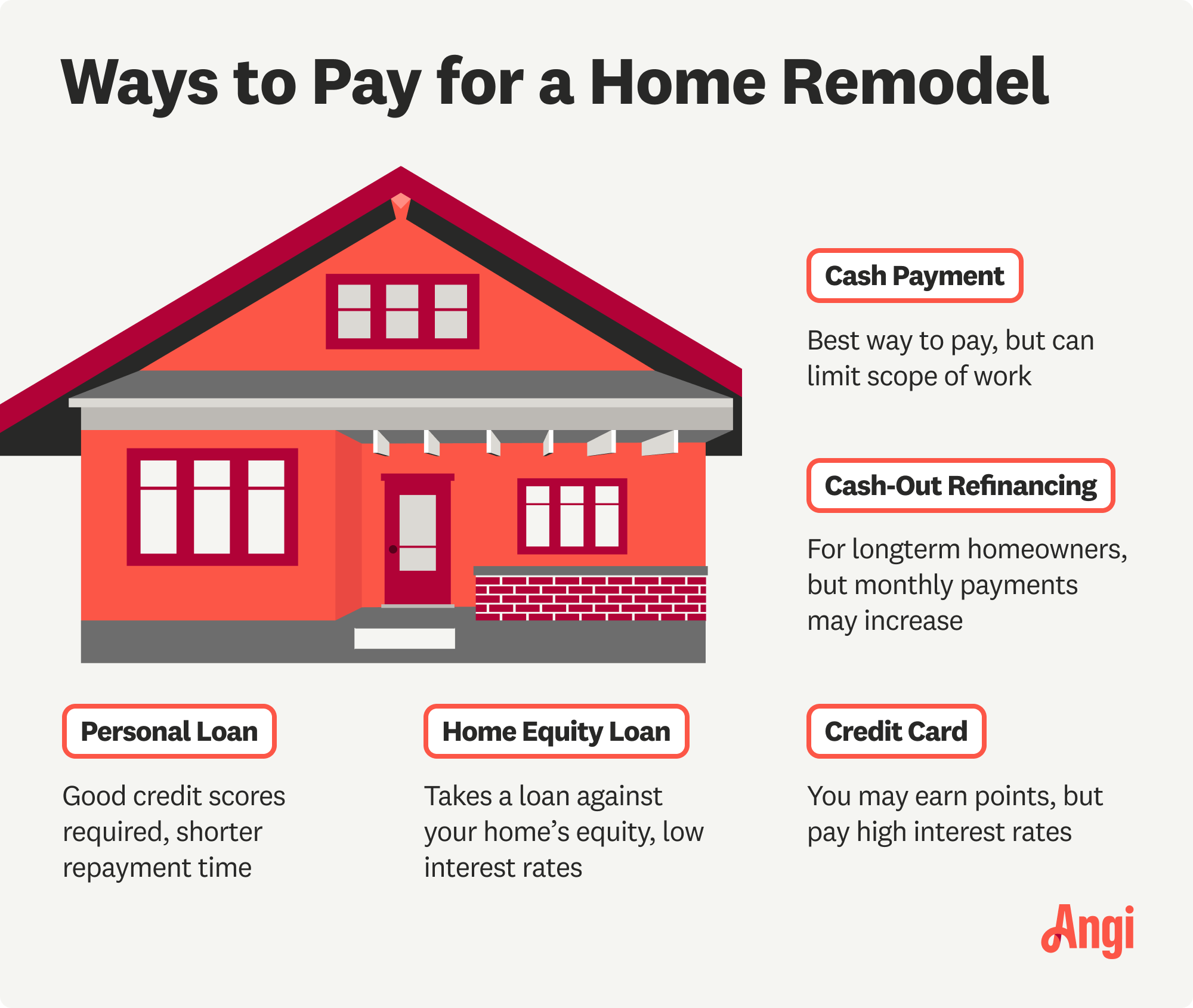
When considering using home equity to finance exterior renovations, there are specific steps involved in the process. Whether opting for a HELOC or a refinance, it is essential to understand the requirements and qualifications needed to access home equity for renovations.

When it comes to utilizing home equity funds for exterior renovations, proper management is key to ensuring a successful and cost-effective project. Here are some best practices to help you effectively manage your borrowed funds:
What benefits come with using home equity for exterior renovations?
Using home equity through a HELOC or refinance can offer tax-deductible interest, potentially increase property value, and provide lower interest rates compared to other financing options.
How do I differentiate between a HELOC and a traditional refinance?
A HELOC allows you to borrow against your home’s equity as needed, similar to a credit card, while a refinance replaces your existing mortgage with a new one, typically at a lower interest rate.
What are some best practices for managing home equity funds?
It’s crucial to create a budget, use funds wisely for home improvements that add value, and avoid borrowing more than you can afford to repay.