Fire-Resistant Exterior Cladding: Materials, Insurance Discounts, and Costs
With Fire-Resistant Exterior Cladding: Materials, Insurance Discounts, and Costs at the forefront, this paragraph opens a window to an amazing start and intrigue, inviting readers to embark on a storytelling filled with unexpected twists and insights.
Exploring the different materials, insurance benefits, and costs associated with fire-resistant exterior cladding sets the stage for an informative journey ahead.
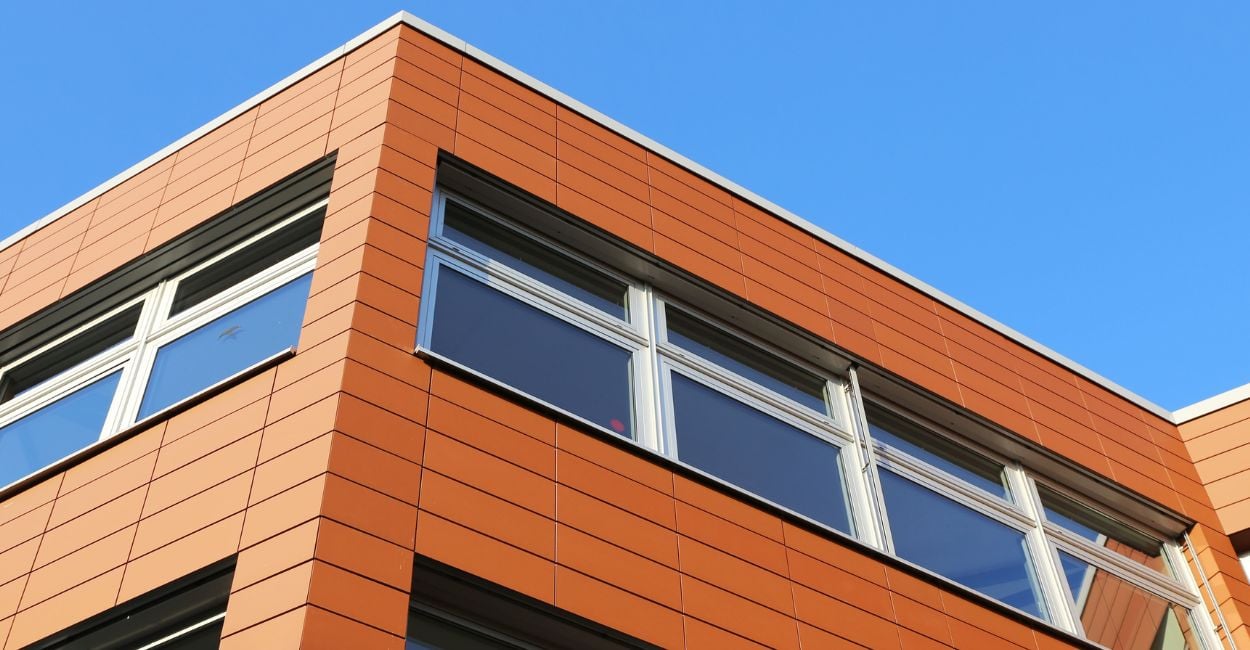
Fire-resistant exterior cladding is crucial for protecting buildings from the spread of fire. Various materials are commonly used for this purpose, each with its own set of characteristics in terms of fire-resistance.
Fiber cement is a popular choice for fire-resistant cladding due to its non-combustible nature. Made from a mix of cement, sand, and cellulose fibers, this material is known for its durability and low maintenance requirements. However, fiber cement can be heavy and may require professional installation.
Metal panels are another common option for fire-resistant cladding. They are highly fire-resistant and offer a sleek and modern aesthetic. Metal panels are also durable and resistant to weathering. On the downside, they can be costly and may require regular maintenance to prevent corrosion.
Brick and stone are traditional materials known for their fire-resistant properties. They provide excellent insulation and are resistant to fire, making them a reliable choice for exterior cladding. However, these materials can be heavy and may require skilled labor for installation.
Composite materials, such as fiber-reinforced plastic (FRP) or composite wood, offer a blend of fire-resistance and design flexibility. These materials are lightweight, easy to install, and come in a variety of finishes. However, they may not offer the same level of fire-resistance as other materials like fiber cement or metal panels.
Ceramic tiles are another option for fire-resistant cladding, known for their heat resistance and durability. They are available in a wide range of colors and textures, allowing for creative design possibilities. However, ceramic tiles can be expensive and may require specialized installation.

Installing fire-resistant cladding can not only provide added protection to your property but also lead to potential insurance discounts. Insurance companies often offer discounts to homeowners who take proactive measures to reduce the risk of fire damage.
Insurance companies determine the discount amount based on several factors, including the type of fire-resistant materials used, the extent of coverage, and the overall risk reduction provided by the cladding. The discounts can vary depending on the level of protection offered by the specific materials and their impact on minimizing fire damage.
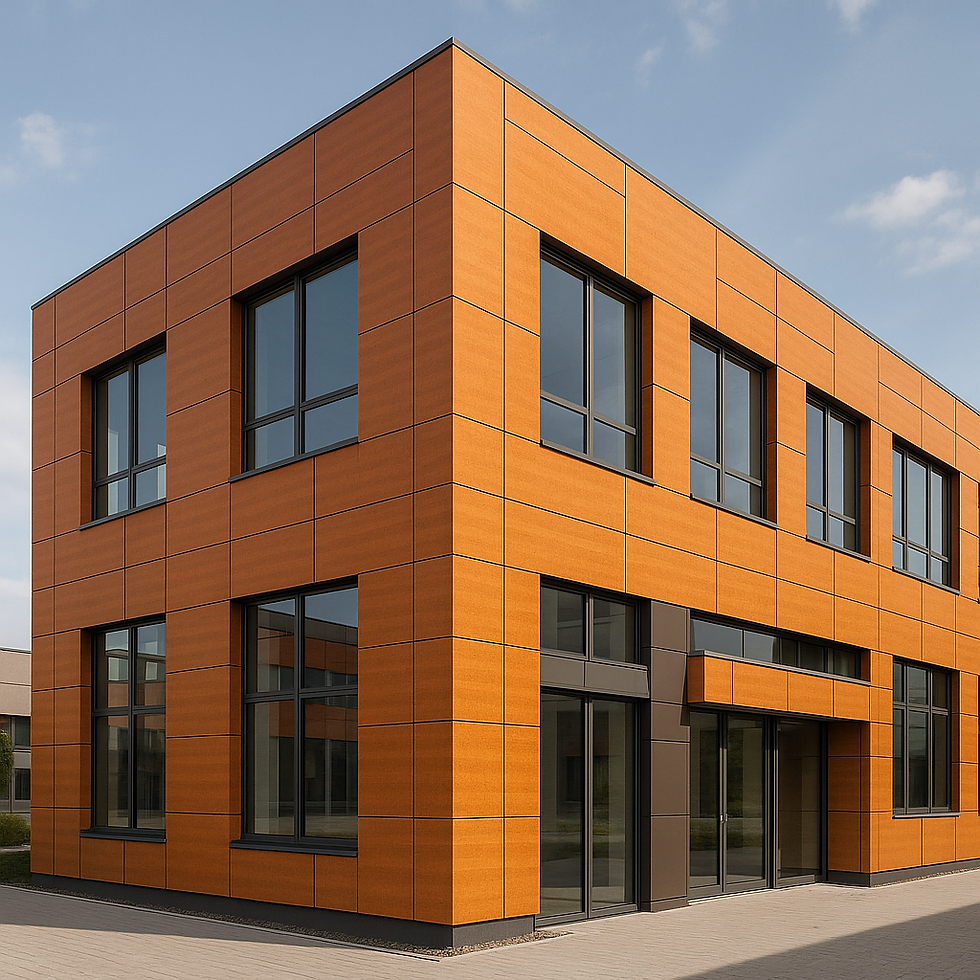
Installing fire-resistant exterior cladding involves various costs that are worth considering for the safety and protection of a building.
What materials are commonly used for fire-resistant exterior cladding?
Common materials include fiber cement, metal, and brick, known for their high fire-resistance properties.
How can installing fire-resistant cladding lead to insurance discounts?
Insurance companies offer discounts as fire-resistant materials reduce the risk of damage or loss in case of a fire, leading to lower premiums.
What are the long-term cost savings associated with fire-resistant materials?
Although initial installation costs may be higher, the durability and reduced risk of fire damage result in long-term savings on maintenance and insurance premiums.