What Siding Warranties Actually Cover: Exclusions, Labor, and Transferability
What Siding Warranties Actually Cover: Exclusions, Labor, and Transferability sets the stage for this enthralling narrative, offering readers a glimpse into a story that is rich in detail with casual formal language style and brimming with originality from the outset.
The importance of understanding what siding warranties cover cannot be overstated. It’s crucial for homeowners to grasp the nuances of warranty coverage before investing in siding for their homes. This comprehensive guide delves into the intricacies of siding warranties, shedding light on what is included, what is excluded, labor considerations, and the transferability of warranties.
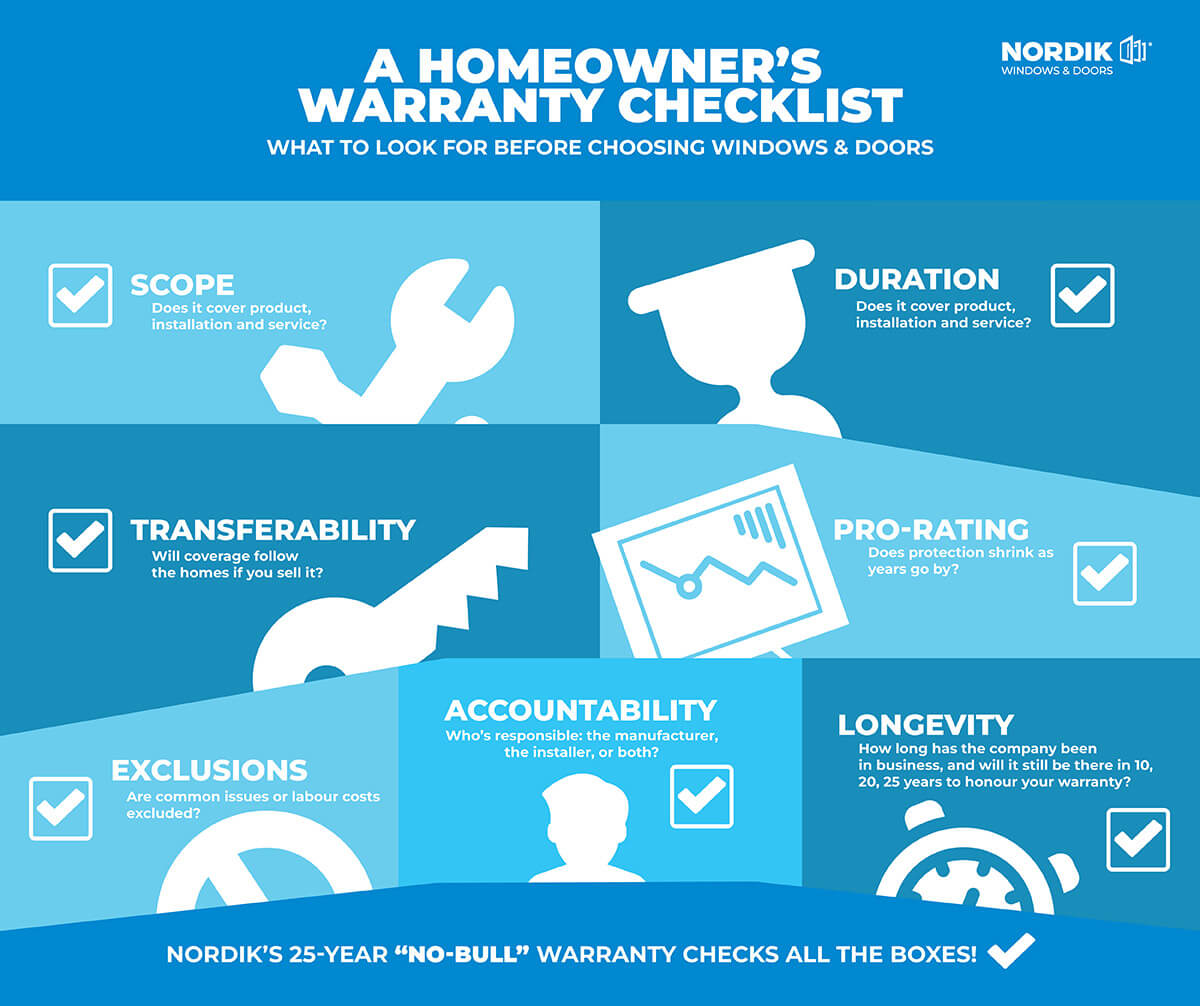
When it comes to siding warranties, it is essential to understand what is covered to ensure you are making an informed decision before purchasing. Siding warranties typically cover specific components and damages, providing protection and peace of mind for homeowners.
Siding warranties play a crucial role in protecting your investment and ensuring that you are covered in case of any unforeseen issues. By knowing what is included in the warranty coverage, you can make an informed decision when selecting siding for your home.
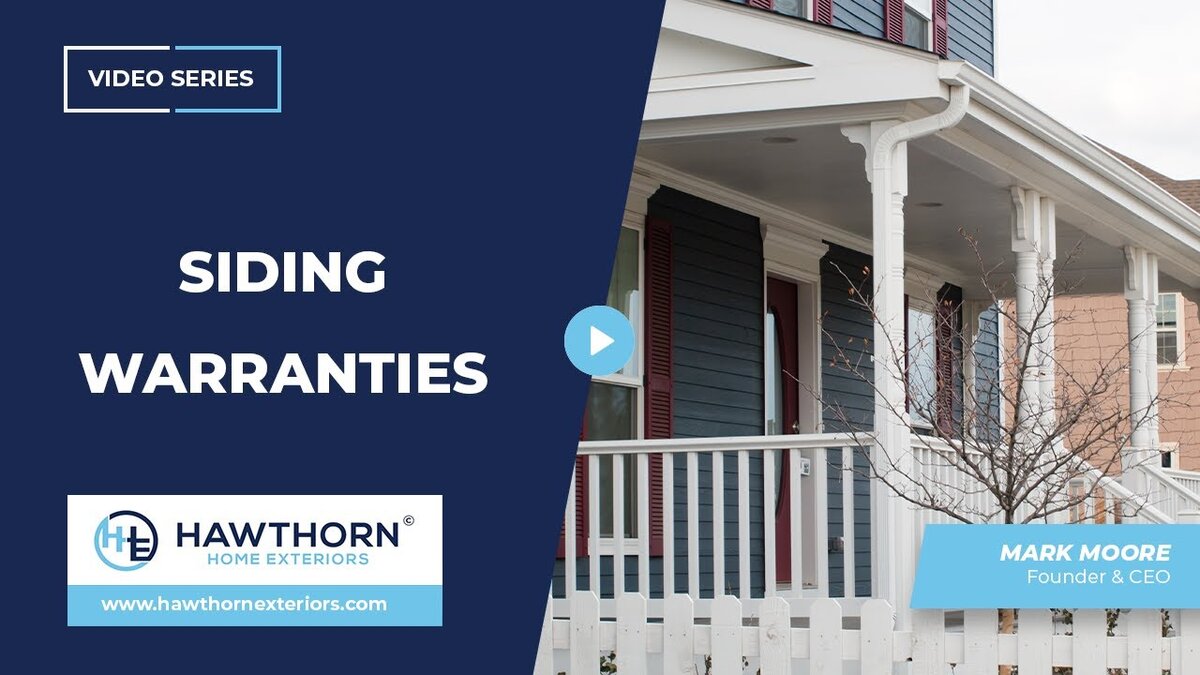
When it comes to siding warranties, it’s crucial for homeowners to understand the exclusions that are commonly found in these contracts. Knowing what is not covered can help prevent surprises and ensure proper maintenance of the siding. Exclusions in siding warranties often include:
The impact of these exclusions on homeowners is significant. For example, if damage occurs due to improper installation, the warranty may not cover the repairs, leaving homeowners with unexpected expenses. Understanding these exclusions is crucial for homeowners to make informed decisions regarding their siding and to avoid any unpleasant surprises in the future.
When it comes to siding warranties, labor coverage is a crucial aspect that homeowners need to consider. Understanding what labor expenses are covered can make a significant difference in the overall cost of maintaining or repairing your siding.Labor coverage in siding warranties typically includes the cost of hiring professionals to install, repair, or replace the siding.
This can help offset the expenses associated with labor, which can often be a significant portion of the overall project cost.
When a siding warranty is transferable, it means that the warranty can be transferred from the original homeowner to a new homeowner if the property is sold. This can be a valuable feature for both the seller and the buyer of a home.
Having a transferable siding warranty can provide several benefits:
However, there are also some drawbacks to consider:
Here are some tips for homeowners looking to transfer a siding warranty:
What are some common exclusions in siding warranties?
Common exclusions in siding warranties may include damage caused by improper installation, acts of nature like hurricanes or earthquakes, and normal wear and tear. It’s important for homeowners to carefully review these exclusions to avoid any surprises.
Can labor coverage vary between different siding manufacturers?
Yes, labor coverage can vary significantly among different siding manufacturers. Some may offer more comprehensive labor coverage as part of their warranty packages, while others may have more limited coverage. Homeowners should compare these differences when selecting a siding warranty.
How can homeowners effectively transfer a siding warranty?
To effectively transfer a siding warranty, homeowners should contact the warranty provider to understand the transfer process. It typically involves submitting a transfer request and providing relevant documentation. Following the provider’s instructions carefully can ensure a smooth transfer of the warranty.